How Insurance Claims Usually Work After Mold, Flood, Fire, or Storm Damage in Groveland
@repairhouse690
When a house in Groveland takes on water, smoke, soot, or mold, the damage itself is only half the problem. The other half is the claim, the phone calls, the photos, the waiting, the questions about what can be cleaned, what has to be removed, and what your insurer wants to see before repairs move forward.
That process feels abstract until it lands in your own living room.
In Lake County, the pattern is familiar. A roof leak shows up after a hard rain. A bathroom exhaust fan never really kept up, and mold starts creeping back around a ceiling register. A drain pan or HVAC issue keeps feeding moisture into the same section of the house. A kitchen supply line leaks while the family is away. During hurricane season, wind and heavy rain turn a small weakness into a large loss. In every one of those cases, the insurance claim tends to follow the same broad path, even if the details vary from one policy to the next.
The best way to understand claims after mold, flood, fire, or storm damage is to think in stages. First comes safety. Then emergency stabilization. Then documentation. Then the insurer’s investigation and decisions. Finally, cleanup, remediation, and repairs.
The first hours matter more than most people expect
The claim usually starts before anyone uses the word “claim.”
It starts when the homeowner notices staining on drywall, a smoky odor after a fire, warped baseboards, standing water, or visible mold growth. It starts when someone realizes the house is not just messy or damp, but damaged. Those early hours shape everything that comes after because they affect both safety and documentation.
After a flood or major storm, reentry is not just a matter of opening the front door and grabbing towels. Flooded homes can contain mold and sewage, and safety has to come first. Utilities may need attention. Contamination may be present even when the water looks shallow or has already receded. The same goes for a fire scene. The first 24 hours after a home fire are especially important for immediate safety checks, securing what can be saved, and beginning the recovery process.
Homeowners are often tempted to start tearing out wet carpet, wiping soot, or running fans everywhere before making a single call. Sometimes that instinct helps, sometimes it creates problems. The smart move is to stabilize the property without destroying the evidence of the loss. If the damage is active, like water still dripping from a ceiling or storm water entering through a broken opening, stopping further damage is usually part of protecting the property. But before anything major gets removed, good documentation makes life easier.

A practical first response usually includes a few basics:
- Make sure the property is safe to enter and watch for utility or contamination concerns.
- Take clear photos and video of every affected area before cleanup changes the scene.
- Contact your insurer promptly and ask what they want documented right away.
- Save damaged items if it is safe to do so, at least until the insurer advises otherwise.
- Arrange emergency restoration services if the damage is still spreading.
That last point matters in Central Florida. Fast drying and containment can limit secondary damage, especially in humid conditions. Moisture does not wait for office hours in Groveland.
Why mold claims get complicated so quickly
Mold is rarely just about mold. It is about moisture.
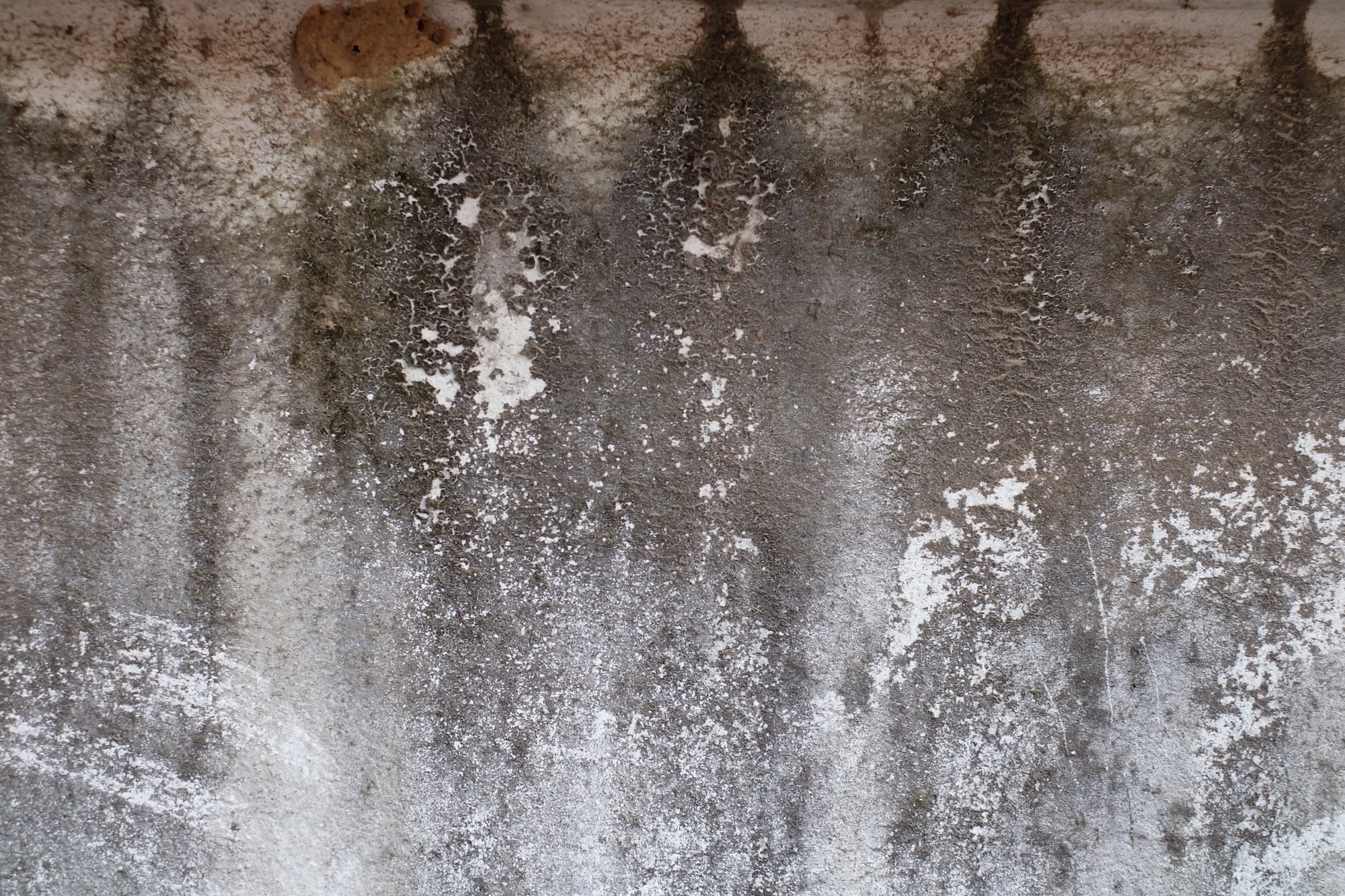
Florida health guidance is very clear on that point. Mold grows when moisture is present, and common sources include roof leaks, plumbing leaks, condensation, flooding, poor bathroom or kitchen ventilation, and HVAC or drain-pan problems. If mold keeps coming back, or you can see it in the same general area over and over, that usually means the moisture source is still active or was never fully corrected.
That creates an insurance challenge because the visible growth is only one piece of the story. The insurer will usually want to understand what caused the moisture, how long it may have been happening, and what areas were affected. A patch of discoloration on drywall can trace back to an attic issue, a shower leak behind tile, or a central AC problem that never let indoor humidity come down properly.
In Groveland, where humid summers are normal and heavy rain is part of life, that distinction matters. Moisture from a sudden event may be handled differently from a problem that developed over time. The exact policy language governs that, and homeowners should treat their policy as what it is, a legal contract. That means asking questions, getting answers in writing when possible, and not assuming that every kind of water damage is treated the same way.
Mold claims also get technical when the HVAC system is involved. Florida health guidance says that if a central AC system is being used to lower humidity below 60 percent, the system should be examined for problems. In real homes, that often means looking at the air handler, ductwork, drain line, drain pan, and nearby insulation or framing. If the system is part of the moisture problem, HVAC mold remediation may need to happen alongside cleanup in walls, ceilings, or flooring.
A lot of homeowners make the mistake of thinking mold removal Groveland means wiping visible spots and repainting. That rarely solves anything if condensation, a drain problem, or a hidden leak is still feeding the area. Insurers know that, and good adjusters or restoration teams usually focus first on the cause, then on the remediation plan.
Flood and storm losses tend to move fast, then slow down
Storm claims often have two very different speeds. The damage happens quickly. The paperwork does not.
After wind, rain, or hurricane-related damage, the first priority is often temporary protection. A tarp, board-up, water extraction, or quick dry-out can keep the loss from getting worse. This is where emergency restoration services are valuable because they create a record of the initial condition while helping stabilize the property.
Then the slower phase starts. The insurer may need photos, itemized notes, inspection access, and details on what happened and when. Homeowners should expect questions such as when the damage was first noticed, which rooms were affected, whether standing water entered the home, and whether anything has already been thrown away.
In Groveland and the rest of Lake County, storms do not always leave neat, isolated damage. One hard event can involve roof leaks, soaked insulation, damaged drywall, wet flooring, microbial growth, and strong odors all at once. If floodwater or storm water carries contamination into the home, the cleanup may also need to account for sewage exposure. That changes both the safety procedures and the scope of work. Sewage cleanup is not standard housekeeping. The CDC warns that sewage backups can create health hazards, and affected areas should be isolated during cleanup with proper protective precautions.
There is also a practical issue many homeowners overlook. Food exposed to flood or storm water should be discarded. People also need to be careful with generators because of fire and carbon monoxide risks. Those details may seem separate from the insurance claim, but they are part of the overall loss picture and the safety response.
When people talk about hurricane damage restoration Florida, they often picture roof tarps and tree removal. In practice, the hidden moisture is just as important. Wet cavities behind walls, damp subfloors, and elevated indoor humidity can produce a second wave of damage if the property is not dried and monitored properly.
Fire claims are about smoke as much as flames
A small kitchen fire can create a surprisingly large claim.
That catches many people off guard. The visible burn area may be limited to one room, but smoke and soot can move farther than expected, especially through open floor plans and HVAC systems. Odors can settle into porous materials, and fine residues can affect surfaces in rooms that never saw flames.
The first day after a fire is usually chaotic. There may be firefighters, a blocked off room, broken glass, water used in suppression, and a house that smells sharply of smoke. Insurance claims during that window tend to focus on the condition of the structure, whether the home is safe to occupy, and what emergency steps are needed to prevent more damage.
Fire and smoke damage cleanup often includes more than a homeowner would guess at first glance. It may involve drying from water used to extinguish the fire, careful debris removal, cleaning soot-affected surfaces, and odor removal from soft goods and structural materials. The insurer may ask for inventories of damaged belongings, photographs of each room, and notes on what was immediately discarded for safety reasons.
One thing worth remembering is that smoke odor is not just a nuisance issue. It often points to particles that settled into materials. If a contractor promises a quick cosmetic fix without addressing the odor source, that can create conflict later when the smell returns. Insurers and restoration professionals tend to look for a documented scope that addresses both visible and less visible damage.
What the adjuster is usually trying to sort out
From the homeowner’s side, it can feel as if the insurer is delaying. From the insurer’s side, the main questions are usually straightforward, even when the answers are not.
They are trying to determine what happened, when it happened, what was damaged, what caused it, what needs to happen now to protect the property, and what the policy covers. That sounds simple until a claim involves overlapping issues.
Take a common Groveland scenario. A storm damages part of the roof. Rain enters the attic. Insulation gets wet. A ceiling stain appears in one bedroom. A few days later, humidity inside the house spikes, and an HVAC closet starts showing mold growth around the air handler. Now the claim is no longer just about a roof leak. It may involve storm damage, water intrusion, indoor moisture control, and possible HVAC mold remediation.
Or imagine a different case. A homeowner notices mold behind a dresser on an exterior wall. That may be tied to a leak, but it may also connect to condensation or indoor humidity. If the central AC was supposed to keep humidity under control, Florida health guidance says the system should be examined for problems. The insurer may want to know whether this was a one-time event or part of a recurring moisture condition.
The point is not that the insurer is looking for reasons to say no. The point is that claims are fact-driven. The more clearly the cause and extent can be documented, the smoother the process tends to be.
Documentation can save weeks of frustration
People often take too few photos, throw away too much too early, or https://caidenqkwt440.quantlynix.com/posts/what-property-owners-should-know-before-scheduling-biohazard-cleanup-or-odor-elimination-3 fail to keep track of conversations. That is understandable. Nobody is at their best while staring at wet drywall or soot-covered cabinets. Still, the claim file becomes much stronger when the paper trail is clean.
The most useful documentation usually includes:
- Wide and close-up photos of every affected room and damaged item.
- A written timeline of when the damage was discovered and what happened next.
- Copies of emergency service invoices, mitigation notes, and moisture or cleaning records.
- A room-by-room list of damaged belongings and building materials.
- Names, dates, and summaries from every call with the insurer or contractor.
A simple notebook on the kitchen counter can be enough. Write down who came to the house, when they came, what they said, and what they recommended. Save text messages. Save emails. If a restoration company sets up drying equipment, keep the work authorization and any daily monitoring records.
This is especially helpful in water damage cleanup Central Florida cases because conditions can change quickly. A room that looked mildly affected on day one can reveal more extensive damage after baseboards come off or moisture readings are taken. Good records help explain why the scope changed.
Older homes can bring hidden issues into the claim
Not every loss stops with the visible damage. In older homes, repairs can uncover regulated materials that need special handling.
EPA guidance warns that homes built before 1978 may contain lead-based paint, and renovation or repair work can disturb hazardous materials. EPA asbestos guidance also makes the larger point that demolition or renovation work involving asbestos-containing materials has to be handled under applicable rules. That is highly relevant when water, fire, or storm damage forces contractors to open walls, remove flooring, or tear out old ceiling materials.
This is where Groveland FL asbestos testing can become part of the conversation, particularly before major demolition in an older house. If suspect materials are present, the job may need testing and a more controlled approach before regular reconstruction begins. In Lake County, that can also lead to discussion of asbestos abatement Lake County requirements if asbestos-containing materials are confirmed and need to be removed as part of the project.
Homeowners are sometimes surprised by this because they assume the claim is only about a leak or a fire. But once repair work starts disturbing building materials, compliance issues matter. It is better to identify those questions early than to have a project stall after demolition begins.
Mold professionals, remediators, and why licensing matters
When mold is part of the loss, homeowners should be careful about who they hire. Florida says mold assessor and mold remediator licensure is handled by the Florida Department of Business and Professional Regulation. That matters because mold jobs are easy to oversimplify and easy to oversell.
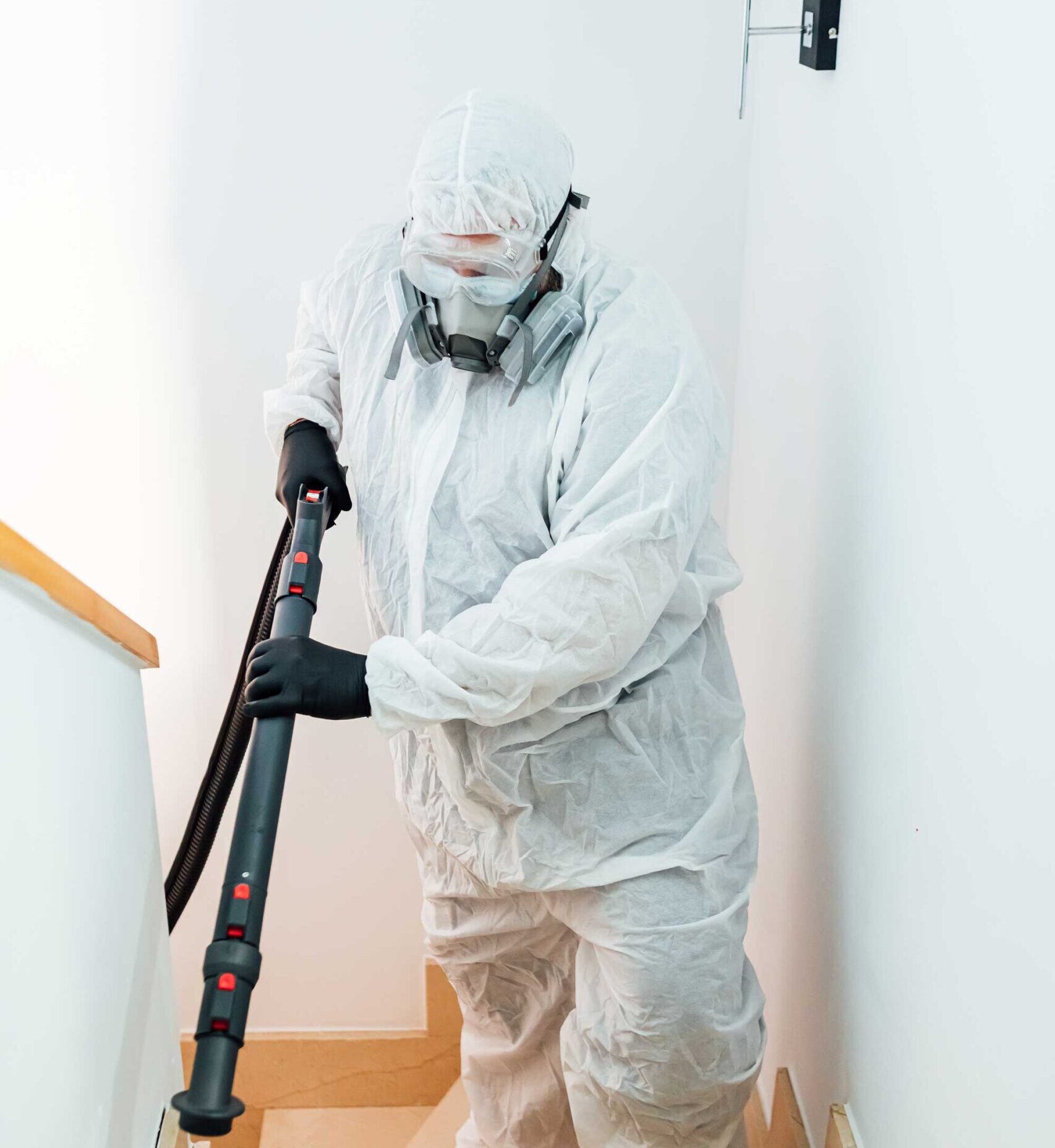
A qualified remediation company Lake County residents trust should be able to explain the moisture source, the cleanup approach, what materials may need removal, and what steps are being taken to prevent cross-contamination. If the problem involves an air handler, drain pan, or duct-related moisture issue, the team should also coordinate the HVAC side instead of treating it as an afterthought.
Visible mold is not the whole story. Florida health guidance says recurring mold usually means the underlying moisture source still needs to be fixed. A proper claim and repair process should reflect that. If all anyone is talking about is bleach, paint, or deodorizer, the job is probably being framed too narrowly.
Where claims often go sideways
Most bad claim experiences are not caused by one dramatic mistake. They are caused by a pile of small ones.
A homeowner waits too long to report the loss. Wet materials sit in place in a humid house. The origin of the damage is no longer clear. Damaged contents are discarded without photos. A contractor starts repair work before the insurer has enough information to evaluate the scope. Or the moisture source is never fully corrected, so the house develops more mold after the first round of cleanup.
Another common problem is confusion between mitigation and repair. Emergency drying, board-up, contamination control, and initial debris removal are often urgent because they stop conditions from getting worse. Full rebuilding, finish selection, and major replacement decisions can take longer because they depend on the insurer’s process and the final scope.
That delay is frustrating, but it is normal. Insurance claims after fire, storm, flood, or mold damage involve both field conditions and contract language. Homeowners usually do best when they stay organized, ask direct questions, and push for clarity without making assumptions about coverage.
What a smoother recovery tends to look like in practice
The cleanest claims usually share a few qualities. The homeowner reports the loss promptly. The property is stabilized without unnecessary disturbance. Documentation starts right away. The moisture source or safety issue is identified early. The insurer is kept in the loop during cleanup and repair decisions. And when the job calls for specialists, like sewage cleanup crews, fire and smoke damage cleanup teams, odor removal technicians, or licensed mold remediators, those specialists are brought in before the damage spreads or the file gets muddy.
That does not make the process easy. It just makes it more manageable.
In Groveland, where humidity, storms, and moisture problems are part of the local reality, claims are rarely only about what is visible on the surface. A stain can mean a roof problem. A smell can mean trapped moisture. A bit of soot can mean whole-house cleaning. A recurring mold patch usually means the source has not been solved.
Insurance is there to respond according to the policy, but the policy works best when the facts are preserved and the cleanup is handled with discipline. When homeowners understand that rhythm, safety first, document early, coordinate with the insurer, fix the cause, then rebuild, the claim becomes less of a mystery and more of a process they can actually navigate.