Smoke Odor Removal Basics: When Lingering Odors May Point to a Bigger Cleanup Need
@repairhouse690
A smoke smell that hangs around for days is frustrating. A smoke smell that keeps coming back after cleaning is usually trying to tell you something.
People often notice it first in a very ordinary moment. The air conditioner kicks on and the room smells stale and burnt for a minute. A closet carries a campfire note even though nobody has used a fireplace. An office suite smells fine in the morning, then musty and smoky by midafternoon. In Central Florida, where humidity is part of daily life for much of the year, odor problems rarely live in isolation. They tend to travel with moisture, trapped particles, and overlooked building materials.
That is why smoke odor removal is not always just about making a place smell better. Sometimes it is a clue that a larger cleanup issue is still sitting behind the walls, inside the HVAC system, or deep in soft materials that were never fully addressed.
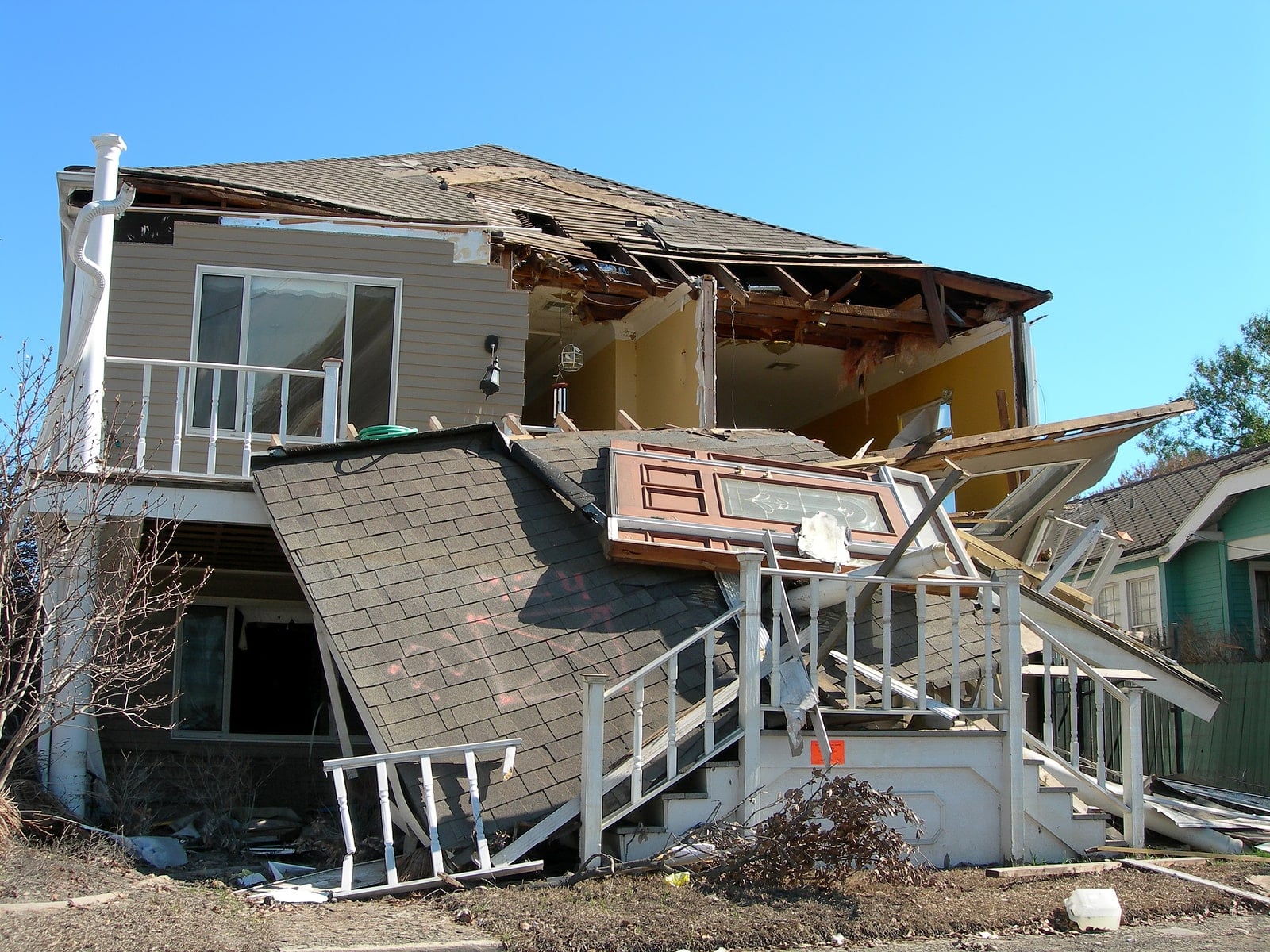
Why smoke odors linger longer than people expect
Smoke is stubborn because it does not behave like surface dirt. When something burns, even on a small scale, it creates tiny particles and residues that settle into fabrics, insulation, unfinished wood, painted drywall, and air handling components. If the event involved cooking smoke, a small appliance, candles, or a more serious fire, those residues can spread farther than the eye suggests.
Then Florida conditions make it worse. Heat and humidity can reactivate old odor residues. A room that seems fine in cooler weather may suddenly smell stronger during a humid week. Air conditioning can also move odor from one part of the building to another, especially if the source was never fully removed.
This is where people get tripped up. They clean what they can reach, use a deodorizer, maybe repaint, and assume the issue is solved. But odor is often the symptom, not the problem itself.
When odor points to something bigger
The biggest mistake I see in odor conversations is treating every smell as a standalone nuisance. Sometimes it is. A single episode of cooking smoke may be resolved with routine cleaning and ventilation. But when the smell persists, grows stronger with weather changes, or shows up alongside staining, dampness, or respiratory irritation, it deserves a wider look.
In Florida, moisture intrusion deserves special attention. The Florida Department of Health advises people to look first for signs of moisture or water damage when mold is suspected, rather than jumping immediately to testing or sampling. That practical advice matters because a smoky or stale odor is not always from fire residue alone. It can mingle with damp building materials and create a smell profile that people describe as burnt, dirty, or old.
This is where a simple odor complaint can shift into a property manager water damage issue, a hidden leak problem, or a broader indoor air quality Florida concern.
A smell can be mixed, not pure
People often expect smoke odor to smell exactly like a fire pit or cigarette smoke. Real buildings are messier than that. Lingering smoke can blend with dust, old HVAC buildup, wet drywall, or microbial growth. In an older house or commercial suite, the nose may be picking up layers of history rather than one clean source.
That is especially relevant during a home inspection older homes Florida scenario. Older properties can carry odor from past occupant habits, previous repairs, historic leaks, or building materials that absorbed residues years ago. A quick paint job can hide stains, but it does not always solve what is trapped underneath.
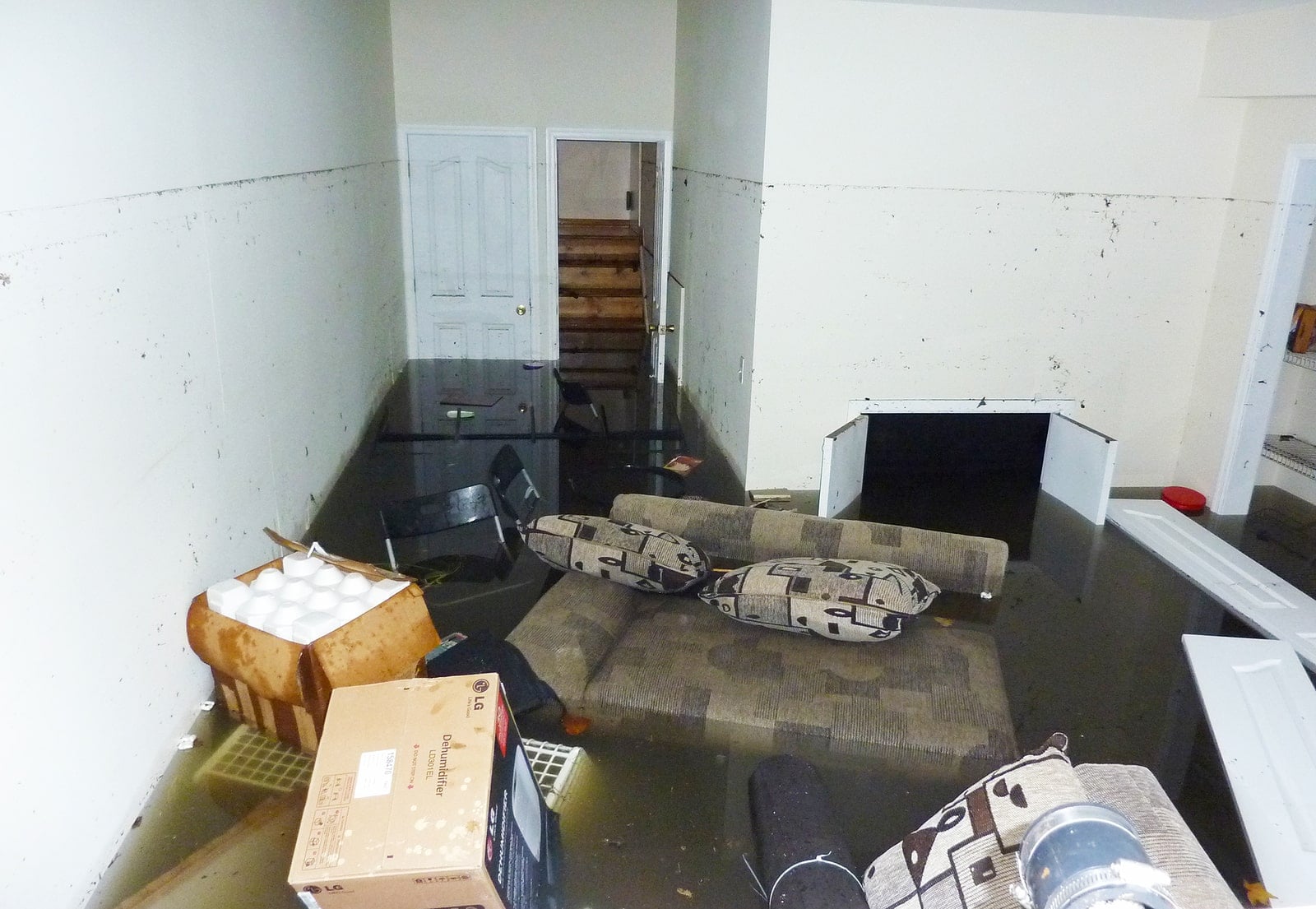
The line between a cleanup job and a deeper restoration issue
A lot of homeowners and managers hear two industry terms, mitigation vs remediation, and assume they mean the same thing. In practice, they point to different stages of work.
Mitigation is about limiting immediate damage and preventing things from getting worse. Remediation is about correcting the underlying problem and dealing with affected materials or contamination. If smoke odor is tied to a recent event, mitigation might involve quick drying, source control, filtration, and removing loose debris. If odor is tied to soot in structural materials, moisture damaged cavities, or contamination that has spread through a building, remediation becomes the bigger conversation.
That distinction matters because deodorizing too early can waste time and money. If the source is still active, the smell usually returns.
Clues that a smoke smell deserves a broader inspection
A few patterns tend to separate minor odor issues from larger cleanup needs:
- The smell gets stronger when the AC runs, during humid weather, or after afternoon storms.
- You also notice staining, peeling paint, warped materials, or a history of leaks.
- The odor sits in one room, closet, return vent, or wall area more than the rest of the building.
- Past cleanup focused on scent masking rather than source removal.
- Occupants describe the smell in mixed terms such as smoky, musty, dirty, or damp.
None of those signs proves a major problem on its own. Together, they are enough to stop treating the issue like a simple housekeeping task.
Moisture changes the whole conversation
In Lake County and across nearby Central Florida communities, buildings take a beating from humidity, sudden rain, and long cooling seasons. Moisture can enter from roof leaks, plumbing issues, condensation, or storm related intrusion. Once materials stay damp, odor compounds settle in and become harder to remove.
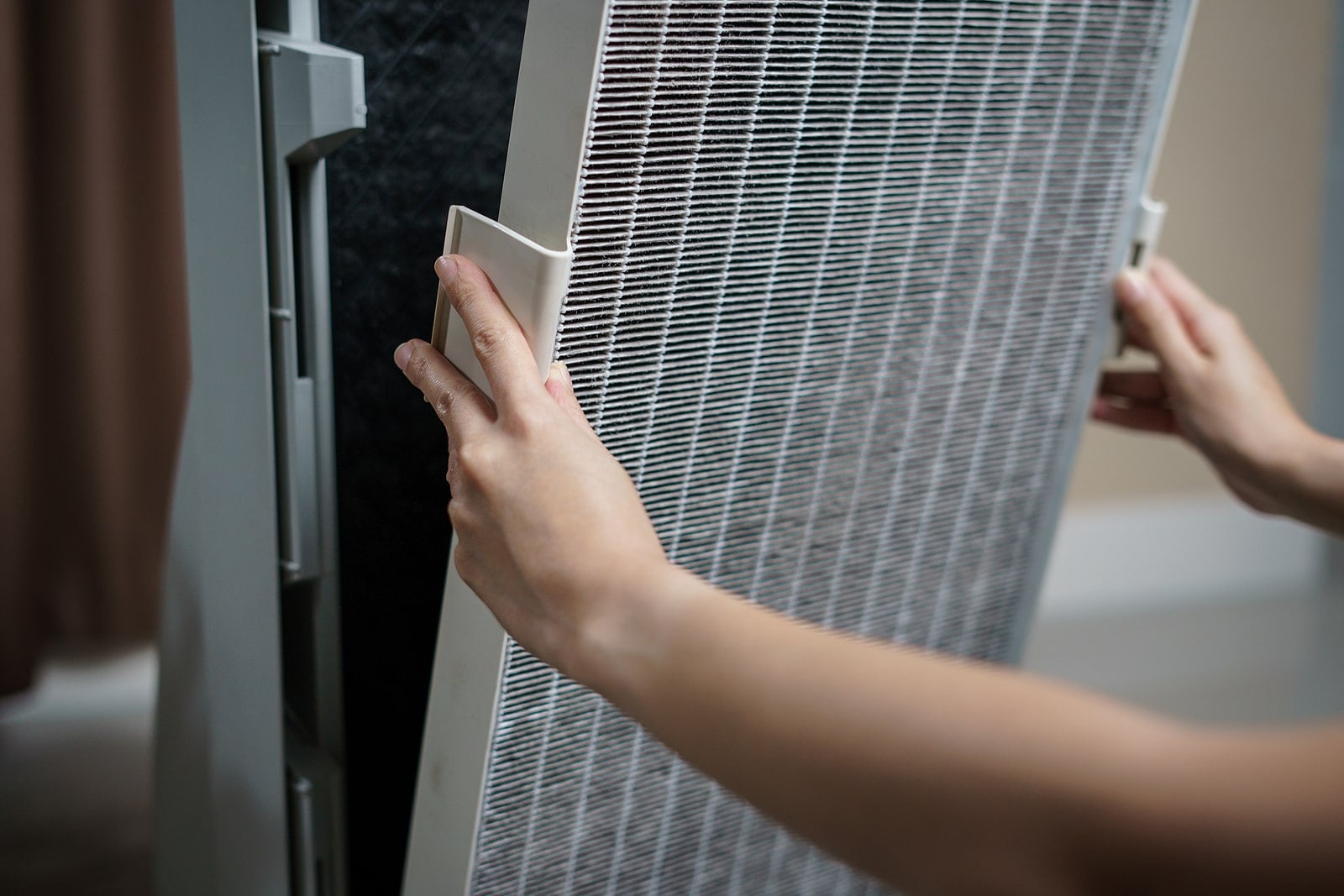
This is why dehumidification and air scrubbers come up so often in serious cleanup work. Drying the space is not just about comfort. It helps stop moisture from feeding secondary issues and makes it easier to judge what odor remains after conditions are stabilized. Air scrubbers can help reduce airborne particles during cleanup, while dehumidification addresses the wet environment that lets smells linger.
That said, no machine replaces source removal. Equipment supports the process. It does not eliminate contamination hidden in saturated materials, dirty duct components, or residues embedded in porous finishes.
Mold myths make odor problems harder to solve
Smoke and mold get mixed up in everyday conversation, and plenty of mold myths lead people in the wrong direction. One common myth is that if you cannot see visible mold, moisture is not a concern. Another is that an air freshener or one round of fogging means the problem is over. Neither idea holds up well in real buildings.
Florida health guidance puts the focus where it belongs: signs of moisture or water damage. If materials have stayed wet, that needs attention whether or not someone has ordered testing. In a commercial mold remediation setting, or even in a small residential closet, the first question is not, “What does the lab say?” It is, “Why is this area damp, and what materials were affected?”
If a smoky smell keeps returning in a damp space, the answer may involve more than smoke.
Commercial spaces have their own warning signs
Offices, retail suites, and multifamily buildings complicate odor problems because more people interact with the space, HVAC systems often serve multiple zones, and maintenance histories are rarely simple. A property manager water damage complaint may start with one tenant saying a suite smells like burnt dust. By the time someone traces it, the issue may involve a hidden leak, wet ceiling tile, and an air circulation pattern that spread odors farther than expected.
Commercial buildings also raise another layer of caution when repairs or demolition are on the table. In Florida, asbestos work is regulated through licensure and abatement rules, and licensed professionals must follow applicable work practices and notification requirements. Depending on the building, the age, and the scope of renovation, an asbestos survey before renovation may be necessary to avoid disturbing materials that should be handled under regulated conditions. Some smaller residential properties may fall under exemptions depending on the project, but that is never something to guess about casually.
That matters because odor cleanup can uncover materials people want to cut, tear out, or replace quickly. If the project shifts from cleaning to demolition, the regulatory side becomes part of responsible planning.
What proper smoke odor removal usually involves
People are sometimes surprised by how methodical a real odor investigation needs to be. The process is less glamorous than many expect. It usually means slowing down and asking practical questions.
Where is the odor strongest? Does it change with weather, HVAC use, or occupancy? Is there visible residue? Was there a known smoke event, water event, or both? Have materials already been replaced, painted, or sealed? Is the building older, renovated in stages, or carrying signs of prior damage?
Those questions matter because odor removal can involve multiple categories of work. Surface cleaning may be enough in one case. In another, the solution may include drying, filtration, selective removal of contaminated materials, and repairs after conditions are stabilized.
A seasoned crew also thinks about what not to do. If you spray deodorizers into a damp cavity, seal over contamination without addressing the source, or disturb suspect materials during renovation without proper evaluation, the problem often comes back with added cost.
Why storms and seasonal prep matter more than people think
Florida’s official hurricane season runs from June 1 through November 30, and preparation should begin before the season starts. That advice is not just for people worried about major wind damage. It matters for odor prevention too.
A building that takes on even limited storm moisture can develop a chain reaction: damp materials, delayed drying, stale or smoky smells, and a stubborn indoor air complaint that shows up long after the rain is gone. Good hurricane season preparation Florida habits help reduce those cases. Checking building vulnerabilities before the season, paying attention to drainage and moisture entry points, and responding quickly to any intrusion can make a huge difference.
This is especially true in older homes and commercial properties that have already seen years of patch repairs. Many persistent odors are not from one dramatic event. They are from smaller episodes that added up.
A practical way to respond when the smell will not go away
If an odor keeps returning, a calm and systematic response works better than repeated masking attempts.
- Note when and where the smell is strongest, including whether the AC, rain, or humidity seems to trigger it.
- Look for signs of moisture or water damage before spending money on cosmetic fixes.
- Treat persistent odor in older or storm affected buildings as a possible indoor air quality Florida issue, not just a nuisance.
- If cleanup may involve opening walls, removing damaged materials, or renovating older commercial areas, ask the right questions early about regulated materials and whether an asbestos survey before renovation applies.
- Use professionals who understand drying, contamination control, and the difference between mitigation vs remediation.
That simple sequence can save a lot of backtracking.
The hidden cost of waiting
Odor problems have a way of slipping down the priority list because they do not always stop a building from functioning. People live with them. Staff get used to them. Managers hope a repaint or HVAC service will solve them. Sometimes it does. Often it just delays the real diagnosis.
The cost of waiting is not only financial. Lingering odor can affect comfort, leasing conversations, employee morale, and trust. In a house, it can make every room feel less clean than it is. In a commercial setting, it can turn into repeated complaints that never quite disappear.
There is also the practical issue that moisture related problems generally become easier to address when caught early. Once materials stay wet long enough or residues spread farther, the scope rarely shrinks.
What this looks like around Lake County
Local context matters. Groveland, Clermont, Minneola, Mascotte, Howey-in-the-Hills, Mount Dora, Leesburg, and the broader Lake County area all share the same general pressures of humidity, storms, and heavy AC use. That combination can expose weak spots fast. A property may look dry on the surface and still hold odor deeper in the assembly. A vacant unit may smell fine on a mild morning and noticeably worse after a wet week.
That is one reason 24/7 emergency cleanup Lake County conversations exist in the first place. Fast response is not just about visible water. It is about reducing the chance that a manageable incident turns into a bigger odor and air quality problem later. Once wet materials sit, or once smoke residue gets pushed through occupied spaces without proper control, the path back gets more expensive.
Credentials and judgment both matter
In restoration work, tools are useful, but judgment is what keeps a project on track. Certifications in cleaning, microbial remediation, structural drying, and building moisture inspection exist for a reason. They reflect the fact that odor issues overlap disciplines. A person evaluating persistent smell in a Florida building may need to think about water pathways, drying goals, HVAC influence, contamination control, and what type of repair work comes next.
That is why the best outcomes usually come from people who can separate symptom from source. They do not rush to a favorite machine or product. They ask what happened, what materials were affected, and what conditions are still active.
A final reality check for owners and managers
If you are dealing with lingering odor, it helps to be honest about what has already been tried. If the space has been cleaned repeatedly, deodorized, painted, or aired out and the smell still returns, that is useful information. It suggests the source may still be present, or that the odor is being amplified by moisture conditions that were never corrected.
Not every smoke smell points to a major restoration project. Some do. The challenge is knowing the difference early enough to avoid wasting effort on temporary fixes.
When the smell persists, shifts with humidity, rides the air system, or shows up alongside signs of dampness, take that seriously. In Central Florida, those details are rarely random. They read more are often the first signal that smoke odor removal belongs inside a bigger conversation about water damage, indoor air, and proper cleanup.